
Watch the official A24 trailer on YouTube
How a personal invitation to an early film screening became a reminder that the most powerful marketing doesn’t simply attract attention — it creates connections.
Recently, I received an unexpected Instagram DM inviting me to an early Las Vegas screening of Club Kid, a new film written and directed by Jordan Firstman and distributed by A24. The invitation came from a representative of Allied Global Marketing through their personal Instagram account to mine. I couldn’t immediately place how we knew each other, or whether we’d met before, but I appreciated the opportunity.
I work extensively in Las Vegas nightlife, entertainment, and marketing, so a film centered on a New York City club promoter immediately caught my attention. I invited my friend Hunter to join me. Hunter also works in entertainment and has been navigating a period of significant personal growth. Both of us have spent considerable time in nightlife environments, and both of us are reevaluating our relationships with some of the habits and expectations that can accompany that world. I thought the film’s subject matter might resonate with him.
What started as a simple invitation to see a movie became an opportunity to think more deeply about how stories reach people, why certain experiences feel personal, and what marketers can learn from those connections.
A Personal Invitation in a World of Mass Marketing
We live in an era when nearly every brand is competing for attention. Our feeds are filled with sponsored content, influencer partnerships, promotional campaigns, and advertisements designed to capture a few seconds of interest. Much of that marketing is built around scale: more impressions, more reach, more views. Those metrics matter. As a marketing agency, we measure them every day.
But there’s another side of marketing that’s harder to quantify: the value of making someone feel personally connected to an experience. In this case, I wasn’t responding to a paid advertisement or an automated promotional email. I received a direct invitation through a personal social media connection.
I don’t know whether the representative knew about my work in nightlife or simply thought I might enjoy the screening. I also don’t know the broader strategy behind the invitation, and that’s an important distinction. We shouldn’t invent marketing strategies on behalf of brands simply because an experience was effective.
What I can say is that the personal nature of the invitation made it easy to engage with, and the film’s subject matter gave me a reason to bring someone who I thought would appreciate it. That second part is particularly interesting. The invitation reached one person, but its relevance helped determine who else became part of the experience. That’s a form of organic audience expansion that marketers should pay attention to.
The Difference Between Reaching an Audience and Resonating With One
Traditional advertising asks a relatively straightforward question: How do we get our message in front of the right people? Effective storytelling asks a more complicated one: How do we make those people care? The distinction matters because visibility and emotional relevance aren’t interchangeable.
A campaign can generate thousands of impressions without leaving a lasting impression on anyone. Conversely, a single meaningful interaction can spark conversations, recommendations, and relationships that extend far beyond the original audience.
Club Kid follows a hard-partying New York City club promoter whose life changes when he discovers he has a 10-year-old son. On the surface, that’s a story about an unexpected family responsibility. But its premise also opens the door to questions about identity, priorities, relationships, and what happens when the life you’ve built begins to change. Those questions aren’t exclusive to nightlife professionals. They’re human questions, and that’s precisely what makes storytelling powerful.
The more specific a story feels, the more universal its emotional themes can become. A film can take place in a world that feels unfamiliar to most viewers while exploring experiences that almost anyone can recognize. For those of us who actually work in nightlife, however, the setting adds another layer of relevance.
Nightlife Is an Industry. It’s Also an Identity.
Las Vegas has a particularly complicated relationship with nightlife. Our city is internationally recognized for entertainment, celebration, hospitality, and experiences that encourage people to step outside their everyday routines. For visitors, nightlife might represent a weekend escape. For the people who work in it, nightlife can become an entire professional and social ecosystem.
The people you work with become your friends. Your clients become familiar faces. The venues become gathering places. Your professional reputation becomes intertwined with the communities you serve. I’ve seen that firsthand through my work with The Phoenix Bar & Lounge and other entertainment clients in Las Vegas.
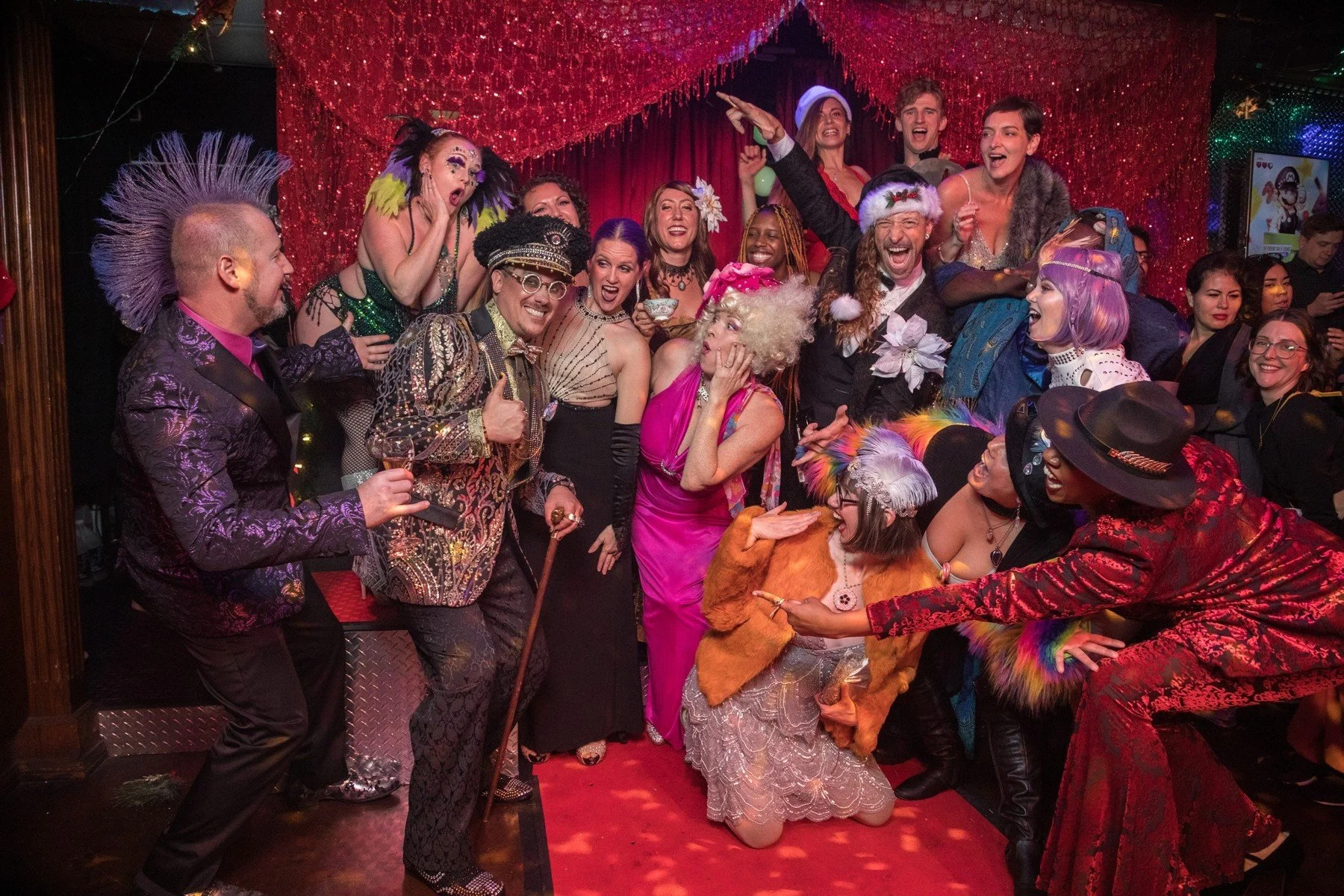
A successful nightlife venue is rarely just a room where people purchase drinks. It’s a place where friendships develop, performers find audiences, traditions are created, and people discover a sense of belonging. For LGBTQ+ communities in particular, nightlife spaces have historically played an important role in providing opportunities for connection, visibility, and self-expression. That sense of community is part of what makes the industry special.
But it also raises an interesting question: What happens when your personal priorities change, but you still love the community you’ve built your life around? For Hunter and me, that question has become increasingly relevant as we’ve each been navigating our own relationships with sobriety and personal growth. Neither of us needs to abandon the entertainment industry to make changes in our personal lives, and neither of us needs to define ourselves exclusively by the environments in which we work.
It’s possible to love nightlife without needing every night to be a party. It’s possible to remain connected to a community while changing how you participate in it. Those are personal reflections, rather than claims about the film’s intended message. But they’re part of why I thought this particular screening would be meaningful for us.
And they illustrate something important about entertainment marketing: Audiences don’t always connect with the story a brand thinks it’s telling. Sometimes they connect with the story they recognize in themselves.
Why Emotional Storytelling Creates More Valuable Marketing
At ZAP Marketing, we frequently discuss the importance of building recognizable brands, creating engaging content, and maintaining consistent digital visibility. But those activities are tools. The ultimate goal is to create a relationship between a business and its audience. That relationship is strengthened when people associate a brand with an experience, a feeling, or a meaningful moment.
I recently explored this idea in an article about my experience flying with United Airlines. The most memorable parts of that trip weren’t simply the mechanics of getting from one airport to another. They were the smaller experiences: thoughtful service, moments of hospitality, and details that made the journey feel more personal.
The same principle applies to entertainment. People might initially discover a film because of its trailer, cast, director, or promotional campaign. But what motivates them to discuss it afterward? Often, it’s an emotional connection. A character reminds them of someone they know. A situation resembles something they’ve experienced. A particular theme gives them a new perspective on their own life.
That emotional relevance can turn passive consumption into active participation. Someone who feels connected to a story is more likely to talk about it, share their interpretation, and encourage others to experience it. Not because they were instructed to promote it, but because it meant something to them.
The Marketing Value of an Experience That Continues After the Event
An early film screening is a relatively simple concept: Invite an audience, show the film, and give people an opportunity to experience it before its wider release. But the potential value extends beyond the screening itself. Attendees may discuss the film with friends, post about the experience, share promotional materials, or recommend it to people they believe will connect with the story. Some of those conversations happen immediately. Others develop over time.
In my case, receiving the invitation led me to bring Hunter, reflect on our shared experiences in entertainment, and consider how the evening connected to the work we do at ZAP Marketing. It eventually inspired this article. That’s a meaningful example of how an experience can generate additional engagement beyond the original invitation.
It is not, by itself, proof of a particular campaign’s return on investment. We don’t know the screening’s budget, attendance goals, audience selection criteria, or broader publicity results. But we can observe the progression: A personal invitation created an opportunity. A relevant story created interest. A shared experience created conversation. And that conversation created additional content.
For entertainment marketers, that sequence is worth understanding. The goal shouldn’t always be to make every attendee an influencer or every interaction a promotional transaction. Sometimes the most effective thing a brand can do is create an experience worth discussing and allow the audience to take it from there.
What Nightlife and Hospitality Brands Can Learn From This
The same principles apply to bars, restaurants, live entertainment venues, festivals, and hospitality businesses. A venue can spend thousands of dollars promoting an event. It can create impressive graphics, produce engaging videos, and reach tens of thousands of people on social media. But if the experience itself doesn’t connect with the audience, the marketing can only accomplish so much.
At The Phoenix Bar & Lounge, one of our ongoing priorities has been positioning the venue as more than a destination for a single type of event or a particular night of the week. The brand’s strength comes from the variety of experiences it offers and the community that continues to participate in them.
Drag performances, burlesque, karaoke, themed events, and community gatherings create different entry points for different audiences. But the broader opportunity is to connect those experiences under a recognizable identity. People should know what a venue stands for, not just what’s happening there tonight.
That requires more than an attractive event calendar. It requires consistency, authenticity, audience awareness, and an understanding of what makes people feel welcome. The same applies to film marketing. A compelling trailer can attract attention, and a personal invitation can encourage attendance. But the story and experience must give people something worth carrying with them afterward.
Authenticity Can’t Be Manufactured, but It Can Be Encouraged
There’s an important distinction between creating opportunities for genuine connection and trying to manufacture authenticity. Brands sometimes approach experiential marketing as though every moment must be carefully engineered to produce a particular reaction. Every attendee becomes a potential content creator. Every interaction becomes a measurable conversion. Every experience becomes another opportunity to ask someone to post.
That approach can undermine the very authenticity marketers are trying to create. People recognize when they’re being treated as a distribution channel rather than a participant. The better approach is to create experiences that are relevant, thoughtful, and genuinely worthwhile.
Invite people who may have an interest in the subject matter. Give them opportunities to connect with one another. Make the experience memorable, and recognize that not every valuable outcome will appear immediately in an analytics dashboard. The resulting conversations may be more meaningful precisely because they weren’t forced.
In my experience, the strongest brand advocates are often people who feel a genuine connection to the experience, rather than people who feel obligated to promote it.
The Story Doesn’t End When the Credits Roll
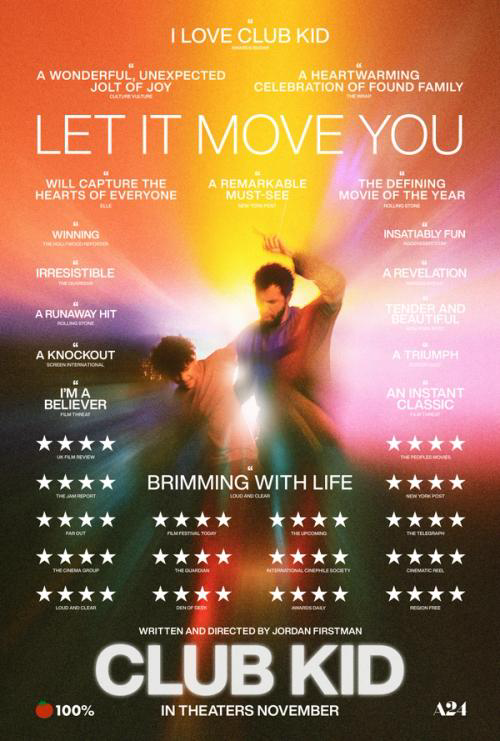
I went to an early screening of Club Kid because someone reached out with an invitation. I brought Hunter because I thought the subject matter would resonate with him, and I left with another reminder of why storytelling matters so much in marketing.
The most successful campaigns don’t simply communicate information. They give audiences something to connect with. Sometimes that’s excitement. Sometimes it’s nostalgia. Sometimes it’s humor, belonging, or a reminder of how much our lives can change.
The most meaningful experiences often reach beyond the product being promoted. A film becomes a conversation. A venue becomes a community. A brand becomes associated with a feeling that people want to experience again. And a simple invitation can create a connection that continues long after the event itself.
For marketers, that’s worth remembering. Reach can introduce people to a story. Relevance gives them a reason to care. And genuine connection gives them a reason to share it.
Our Recommendation: Go See Club Kid
Beyond the marketing lessons, we genuinely enjoyed Club Kid and highly recommend seeing it. Written and directed by Jordan Firstman, the A24 film brings humor, heart, and humanity to a world often defined by its excesses. Its story explores the unexpected arrival of family, changing priorities, and the relationships that challenge us to reconsider who we are.
Whether you’re familiar with nightlife culture or simply appreciate stories about unexpected connections and personal growth, it’s worth experiencing. Club Kid opens in Las Vegas on Friday, November 20, 2026, and expands to theaters nationwide over Thanksgiving 2026.
Thank you to Allied Global Marketing and A24 for the opportunity to attend the early screening.
Powering Smarter Marketing
At ZAP Marketing, we help entertainment, nightlife, hospitality, and service-based businesses build stronger brands through strategic storytelling, audience engagement, digital marketing, and creative content. Because effective marketing isn’t just about getting noticed. It’s about giving people something worth remembering.
⚡ ZAP Marketing — Powering Smarter Marketing.