
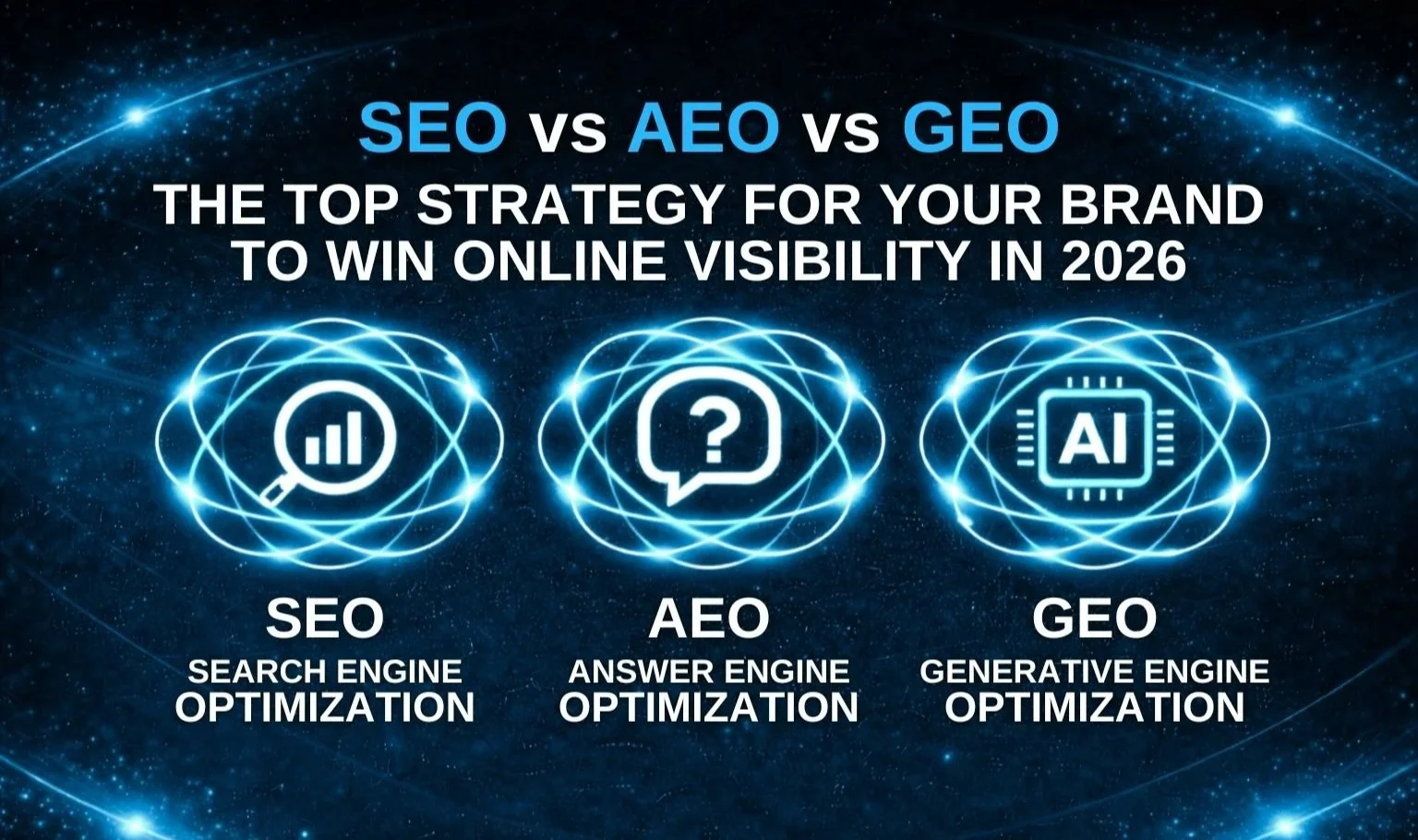
For years, digital visibility meant one thing: ranking on Google.
If your website appeared on page one—especially in the top three results—you won. Traffic followed. Leads followed. Growth followed. Search strategy was relatively straightforward, and Search Engine Optimization (SEO) sat at the center of it all.
But search has changed.
Today, users don’t just type queries into Google. They ask questions out loud. They skim instant answers. They trust AI-generated summaries. And increasingly, they discover brands without ever clicking a traditional search result.
That shift has created three distinct—but interconnected—layers of modern search visibility:
SEO: Ranking and authority
AEO: Answers and zero-click visibility
GEO: AI-first discovery and citation
Winning in 2026 isn’t about choosing one.
It’s about stacking all three.
This guide breaks down what SEO, AEO, and GEO are used for, the tools that support each, how search has evolved, and where it’s headed next—plus how ZAP Marketing helps brands stay visible no matter how users search.
How Search Evolved: From Links to Answers to AI Discovery
Search engines originally functioned like digital libraries. Users searched keywords, and engines returned lists of links ranked by relevance and authority. SEO thrived in this environment by focusing on keywords, backlinks, and technical performance.
As mobile usage increased, behavior shifted. Users wanted immediate clarity, not ten blue links. Google responded by surfacing featured snippets, People Also Ask boxes, and voice answers. Search engines began acting less like directories and more like answer engines.
Now, with the rise of AI-powered tools, search has entered a third phase. AI systems no longer just surface information—they generate it. They extract insights from trusted sources, synthesize responses, and present users with summarized answers that may never include a clickable link.
Each phase added a new layer to visibility. SEO didn’t disappear. It became the foundation supporting everything else.
SEO: Search Engine Optimization (Authority & Intent)
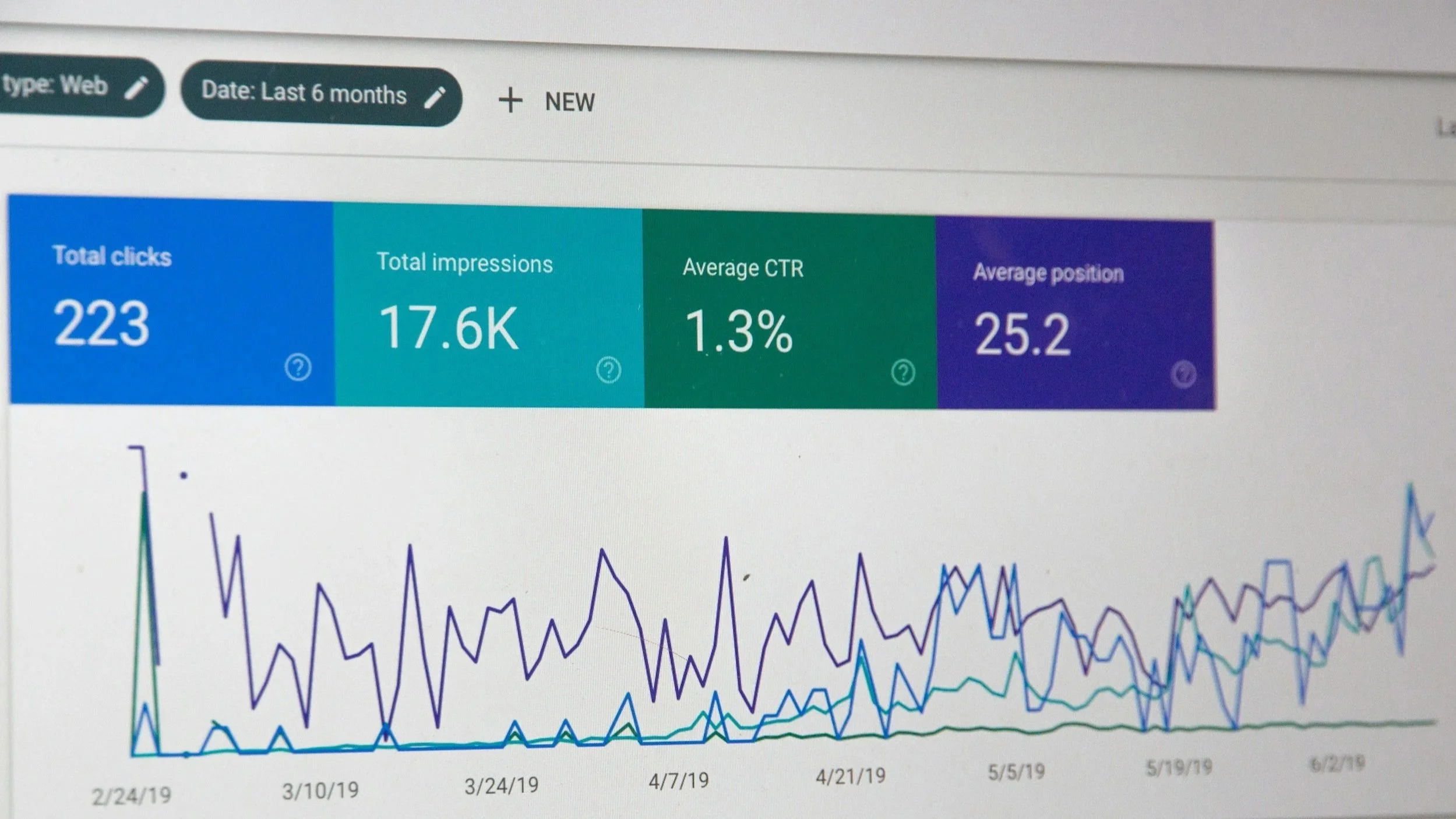
Search Engine Optimization remains the backbone of discoverability. SEO’s role is to establish authority, relevance, and trust so search engines—and AI systems—can confidently surface your content.
At its core, SEO is about connecting high-intent users with content that best satisfies their needs. It focuses on long-term visibility by proving expertise and delivering strong technical performance.
In 2026, effective SEO is less about chasing algorithms and more about aligning with user intent, producing meaningful content, and maintaining technically sound websites that perform well across devices.
SEO also plays a critical supporting role for AEO and GEO. Without strong SEO signals, content is far less likely to be chosen as an answer or referenced by AI systems.
Tools Commonly Used for SEO
Google Search Console (GSC) – keyword visibility, indexing health, Core Web Vitals
Google Analytics 4 (GA4) – organic traffic behavior, engagement, conversions
Microsoft Clarity – UX behavior, scroll depth, friction analysis
Technical SEO tools – site crawls, performance audits, backlink analysis
⚡️ZAP Advantage
ZAP Marketing approaches SEO as a system for building durable authority, not a race for short-term rankings. We focus on intent-driven keywords, technical clarity, and content that reinforces expertise across entire topic areas. The result is sustainable visibility that compounds over time and supports every other discovery channel your brand relies on.
SEO FAQs
What is SEO primarily used for today?
SEO is used to attract high-intent users by demonstrating topical authority, relevance, and technical reliability.
Is SEO still important with AI search growing?
Yes. AI systems rely heavily on traditional SEO authority signals to determine which sources they trust.
How long does SEO take to produce results?
SEO is a long-term investment. Initial improvements can appear within months, but the greatest gains compound over time.
AEO: Answer Engine Optimization (Clarity & Instant Visibility)
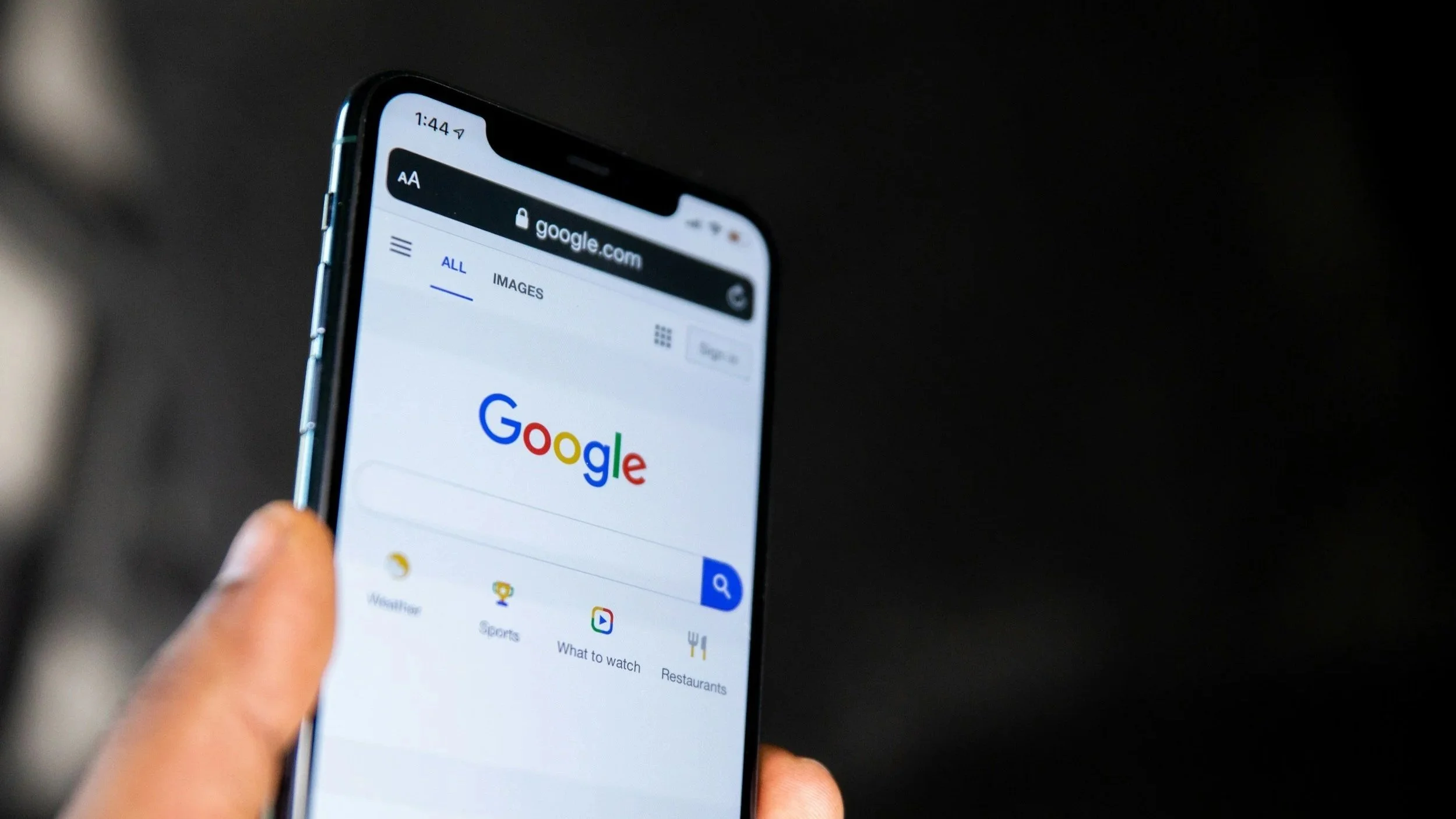
Answer Engine Optimization focuses on ensuring your content delivers clear, direct answers that search engines can surface instantly.
As zero-click searches and voice queries became common, ranking alone stopped being enough. Users began consuming information directly from snippets, FAQs, and spoken responses without visiting websites at all.
AEO addresses this by structuring content to anticipate questions and respond with concise, authoritative answers that search engines can confidently display.
In 2026, AEO is essential for mobile-first discovery, voice search, and early-stage trust building. When done well, it positions your brand as the most helpful and reliable source before a user ever considers clicking.
Tools Commonly Used for AEO
Google Search Console – question-based queries and snippet performance
Google Analytics 4 (GA4) – engagement on answer-focused content
Microsoft Clarity – confirmation that users find answers quickly
Schema tools – FAQ, How-To, and structured data markup
⚡️ZAP Advantage
ZAP Marketing structures content to win answers, not just impressions. We map real user questions, format content for extraction, and ensure your brand is positioned as the clear solution rather than one of many options. This approach builds trust early and increases visibility even when clicks never happen.
AEO FAQs
What’s the difference between SEO and AEO?
SEO focuses on ranking pages, while AEO focuses on delivering direct answers within search results.
Does AEO hurt website traffic?
It can change click-through behavior because some questions are answered directly in search. Track qualified traffic, inquiries and conversions alongside visibility; a useful answer does not guarantee a website visit.
Is AEO only relevant for voice search?
No. AEO impacts featured snippets, People Also Ask boxes, mobile results, and AI summaries.
GEO: Generative Engine Optimization (AI-First Discovery)

Generative Engine Optimization is the newest layer of search visibility. GEO describes efforts to make content clear, useful and discoverable in AI-assisted search. For Google’s AI features, foundational SEO practices still apply; there is no special markup that guarantees inclusion.
AI systems extract information from sources they trust, synthesize responses, and present users with recommendations and summaries. If your content isn’t easy to interpret, contextualize, and verify, it may be harder to use reliably. Inclusion depends on the platform and query and is never guaranteed.
GEO focuses on clarity, entity relationships, topical depth, and consistency across content ecosystems. It builds on SEO authority and AEO clarity to extend your reach beyond traditional search interfaces.
Tools Commonly Used for GEO
Google Analytics 4 (GA4) – assisted discovery and attribution insights
Google Search Console – long-tail and topical visibility signals
Topic and entity mapping tools – authority development across clusters
Content auditing tools – AI readability and extraction analysis
ZAP Advantage: GEO ⚡️
ZAP Marketing creates clear, helpful content with verifiable claims and connected topics. We review search visibility and business outcomes as discovery tools evolve. Our GEO strategy positions your brand as a source, not just a result.
GEO FAQs
What is GEO used for?
GEO aims to improve discoverability in AI-assisted answers and summaries. It cannot guarantee a citation or placement.
Do AI systems pull content from any website?
Different AI products use different sources and retrieval systems. Clear structure and reliable evidence help readers assess your content, but do not guarantee selection.
How is GEO performance measured?
Review observable citations and referrals, Search Console performance, qualified inquiries and conversions. Branded-search changes alone do not prove that an AI feature caused growth.
The Real Strategy: Stack SEO, AEO, and GEO
SEO establishes authority. AEO delivers clarity. GEO extends reach into AI-first discovery.
Brands that rely on only one layer risk losing visibility as search behavior continues to evolve. Brands that stack all three can build a broader discovery strategy while measuring which channels bring useful outcomes.
That’s what ZAP Marketing is built for ⚡️
📧 Email: zach@zapmarketinglv.com
📞 Call/Text: (810) 869-1213
📸 Instagram: @zapmarketinglv
Your business deserves more than guesswork.
⚡️ ZAP unlocks the growth you’ve been waiting for.
Further reading: Google Search Central: AI features and your website. Explore ZAP analytics and reporting services.